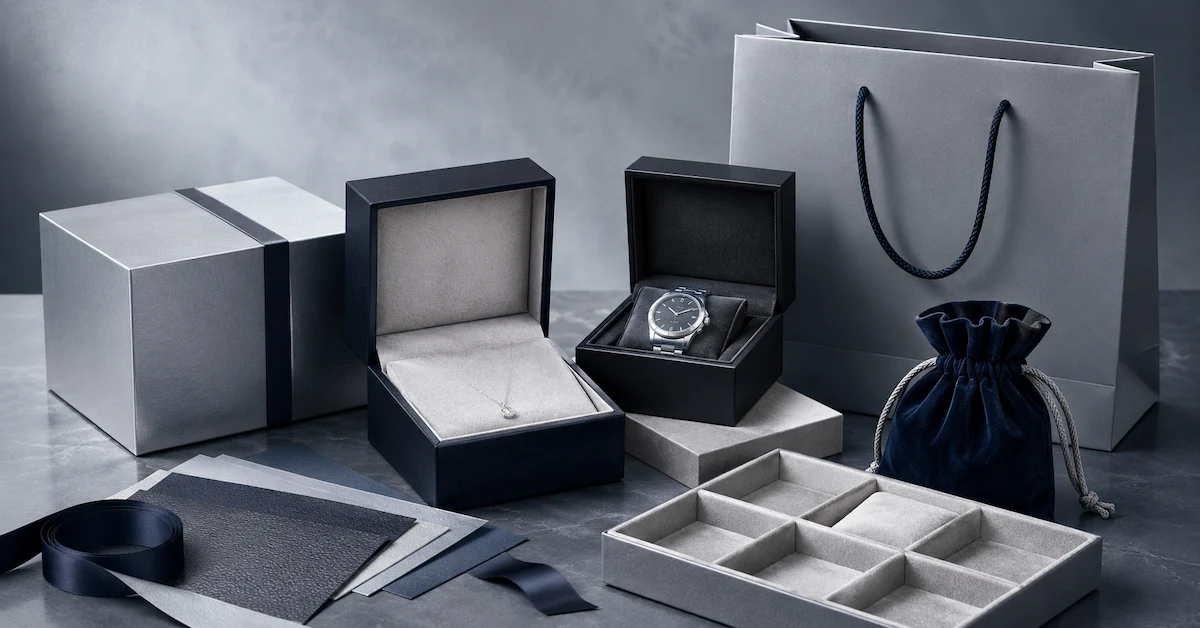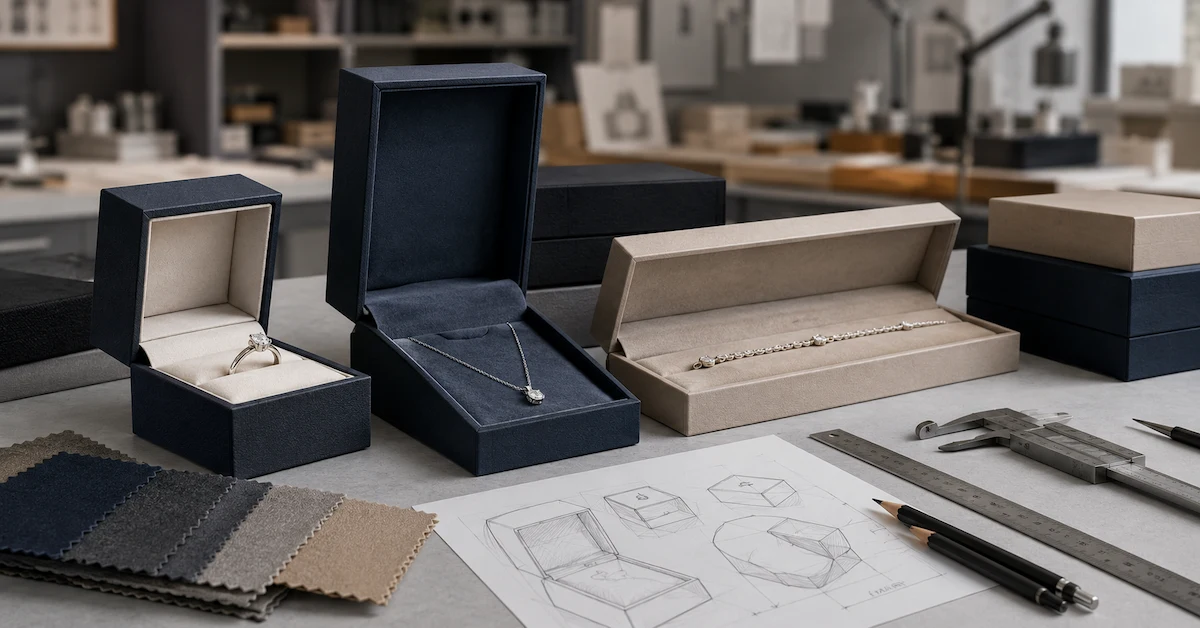

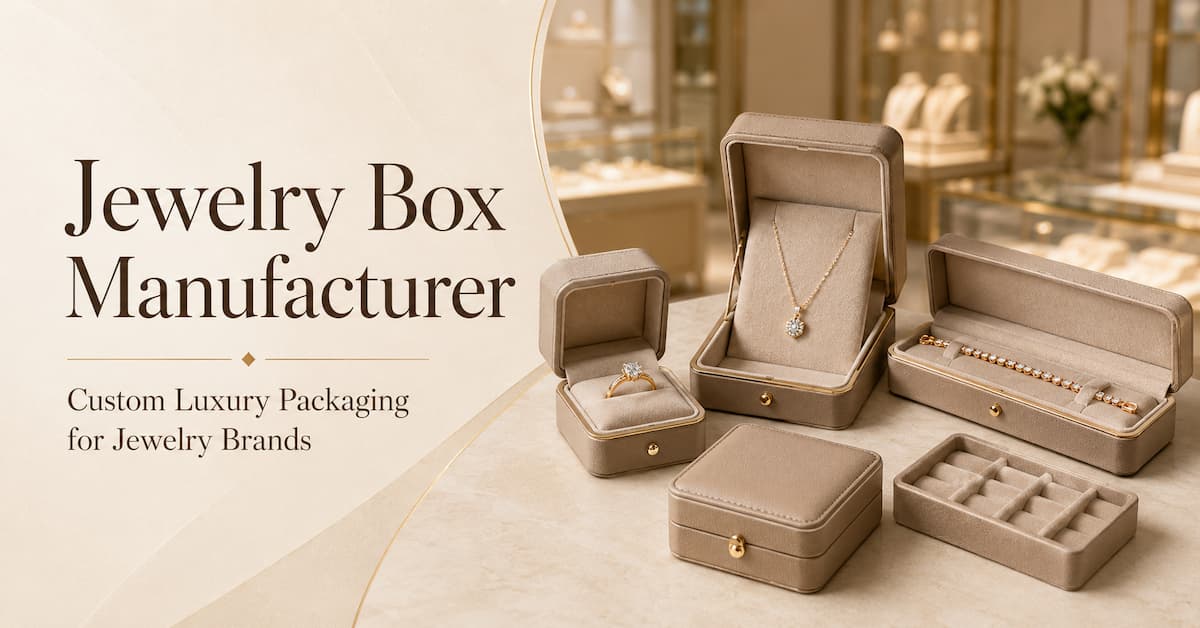
A reliable jewelry box manufacturer is not only a box supplier. For jewelry brands, retailers, wholesalers and private label sellers, the box directly affects product protection, customer perception, retail presentation and brand trust. A ring, necklace or bracelet may be small, but the packaging around it can decide whether the product feels ordinary or premium.
Many buyers compare jewelry boxes mainly by price, but price alone cannot show whether the supplier can handle material consistency, insert fitting, logo finishing, sample control and bulk production quality. For brands that sell in retail stores, online shops, gift channels or luxury markets, choosing the right supplier is a sourcing decision that affects long-term brand value.
BRT Pak provides custom jewelry packaging, display trays, bags and gift packaging solutions for jewelry, watch and premium retail brands. Buyers can review related products through the Jewelry Boxes category or explore more packaging options on the Products page.
Common Pain Points When Sourcing Jewelry Boxes
Jewelry boxes look simple, but many sourcing problems appear after sampling or bulk production.
Common buyer pain points include:
- The box looks good in photos but feels weak in hand.
- Velvet, PU leather or paperboard color varies between batches.
- Ring slots, necklace inserts or earring holders do not fit the product.
- Logo stamping is off-center or lacks a premium finish.
- The lid does not close smoothly.
- Glue marks, wrinkles or rough edges appear on the surface.
- Bulk goods do not match the approved sample.
- Packaging is damaged during international shipping.
- The supplier cannot support matching pouches, display trays or gift boxes.
These issues can reduce customer confidence and increase after-sales complaints. For jewelry brands, packaging is part of the product experience, so the supplier must understand both manufacturing and brand presentation.
How a Jewelry Box Works for Product Value
A good jewelry box works through four basic principles: protection, presentation, branding and usability.
Protection
Jewelry is delicate. Rings can scratch, necklaces can tangle, earrings can bend and gemstones can be damaged by impact. A well-designed box uses soft lining, inserts, cushions and stable compartments to keep the product in place.
Presentation
The box should make the jewelry look more valuable when opened. Velvet texture, clean edges, balanced insert layout and smooth opening details all influence the customer’s first impression.
Branding
A jewelry box is a physical brand touchpoint. Logo position, color, material texture and finishing process help customers remember the brand. For private label and retail brands, this is especially important.
Usability
Retail staff and customers should be able to open, close, store and carry the box easily. A luxury box should not only look beautiful but also work well in daily retail and gifting scenarios.
Standard Jewelry Box vs. Custom Jewelry Box
Before choosing a supplier, buyers should decide whether they need standard stock boxes or custom jewelry boxes.
| Item | Standard Jewelry Box | Custom Jewelry Box |
|---|---|---|
| Design | Existing shape and size | Developed around product and brand |
| Material | Limited choices | Velvet, PU leather, wood, paperboard, microfiber |
| Insert | General fit | Custom fit for rings, necklaces, earrings or bracelets |
| Logo | Basic stamping or printing | Hot stamping, embossing, metal logo, screen printing |
| Brand Image | Basic packaging | Stronger retail and gift presentation |
| Best For | Urgent or low-budget orders | Brand packaging, OEM projects, premium jewelry |
For brands selling wedding jewelry, fine jewelry, private label collections or premium gifts, custom boxes usually create better long-term value than generic stock packaging.
How a Jewelry Box Manufacturer Supports OEM Projects
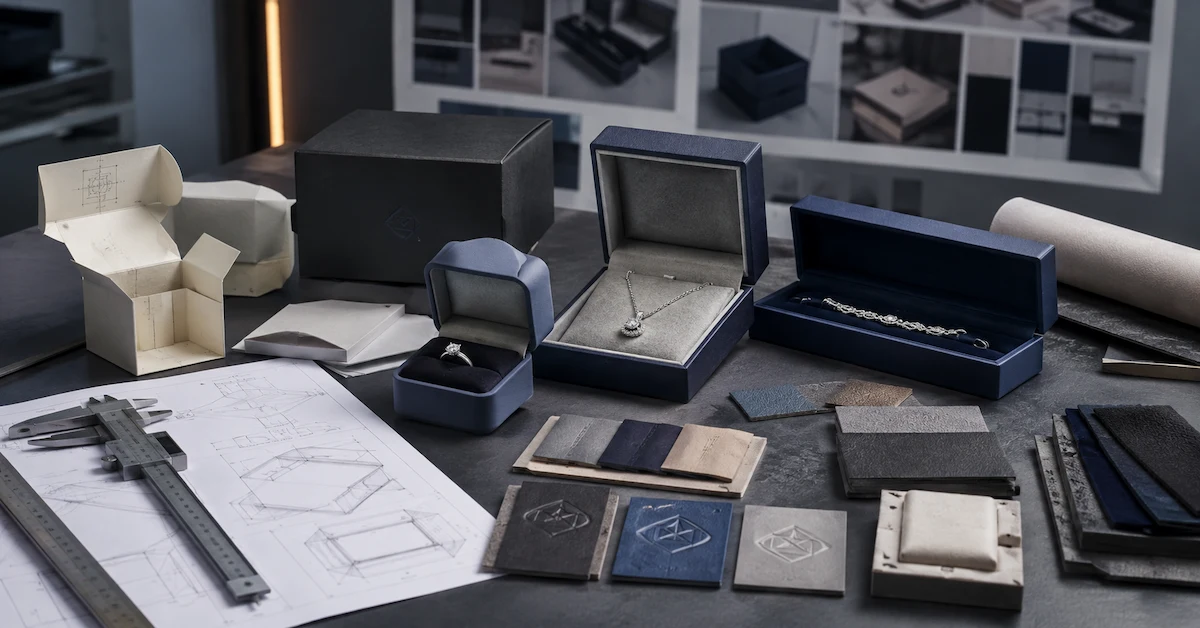
A professional jewelry box manufacturer should provide more than production. The supplier should help buyers turn packaging ideas into stable, repeatable products.
A typical OEM project includes:
- Requirement confirmation
Buyers provide jewelry type, box size, quantity, logo file, material preference, target market and delivery schedule. - Structure planning
The box structure is developed for rings, necklaces, earrings, bracelets or jewelry sets. - Material selection
Common options include velvet, PU leather, microfiber, suede, rigid paperboard, wood and MDF. - Insert design
Inserts are made to hold the product securely and improve the opening experience. - Logo finishing
Branding can be added through hot stamping, embossing, debossing, screen printing or metal logo plates. - Sample confirmation
Buyers confirm material, color, structure, logo position, insert fit and opening feel before mass production. - Bulk production and export packing
Production follows the approved sample, and finished goods are packed to reduce scratches, deformation and transport damage.
BRT Pak supports custom jewelry box development as well as matching Bags, Gift Box and Displays & Trays solutions for brands that need a complete packaging system.
Advantages of Working With BRT Pak
BRT Pak focuses on packaging and display solutions for jewelry, watches, gifts, eyewear and accessories. For jewelry box projects, the company can help brands balance appearance, structure, material and production consistency.
Custom Design Support
Buyers can develop boxes based on product size, brand color, material preference and logo requirements. This is suitable for both new collections and existing product upgrades.
Premium Material Options
Velvet, PU leather, microfiber, suede, rigid board, wood and MDF can be selected according to product positioning and target price range.
Logo and Branding Capability
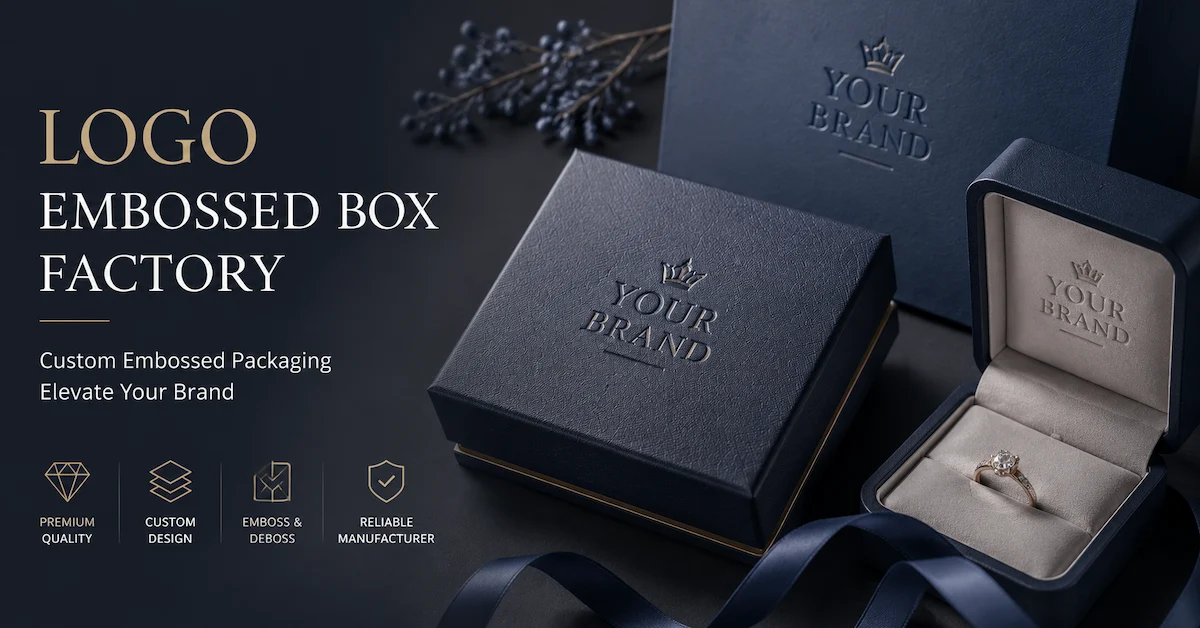
Brand details can be applied through hot stamping, embossing, metal logo plates, screen printing and other finishing methods.
Matching Packaging System
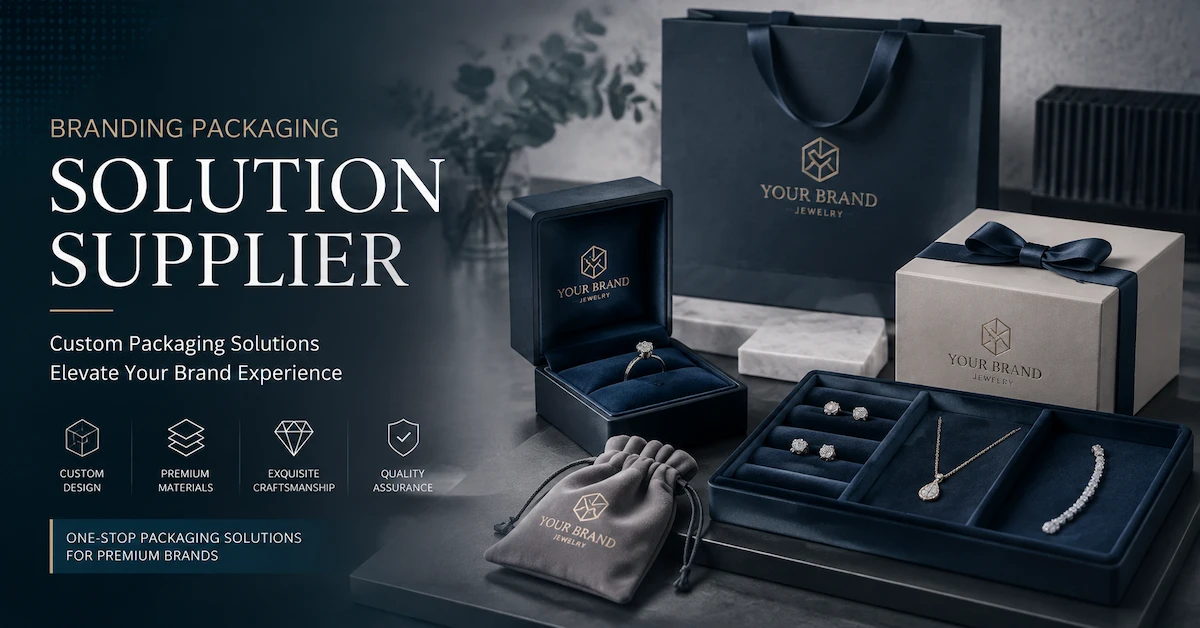
Jewelry boxes can be coordinated with pouches, trays, display stands and gift boxes, helping brands create a consistent image from showroom display to customer takeaway packaging.
Sample Confirmation Before Bulk Orders
Sample approval reduces risk before mass production. Buyers can check product fit, color, surface texture and logo effect before confirming bulk production.
Export-Oriented Packaging Support
For overseas buyers, safe packing is important. BRT Pak can help reduce damage risks during shipping through protective packing methods.
Common Application Scenarios
Jewelry boxes are used in many retail and brand situations.
Jewelry Retail Stores
Retail stores need jewelry boxes that match counter display trays and support daily selling. A refined box can make the final purchase feel more complete.
Online Jewelry Brands
E-commerce brands need boxes that protect products during shipping and create a strong unboxing experience.
Wedding and Engagement Jewelry
Ring boxes for engagement rings, wedding rings and bridal jewelry often require soft lining, premium texture and accurate presentation.
Private Label Jewelry Projects
Private label brands need logo customization, consistent colors and stable repeat production.
Gift and Holiday Collections
Jewelry is often purchased as a gift. Premium boxes improve seasonal campaigns, holiday packaging and brand perception.
Trade Shows and Showrooms
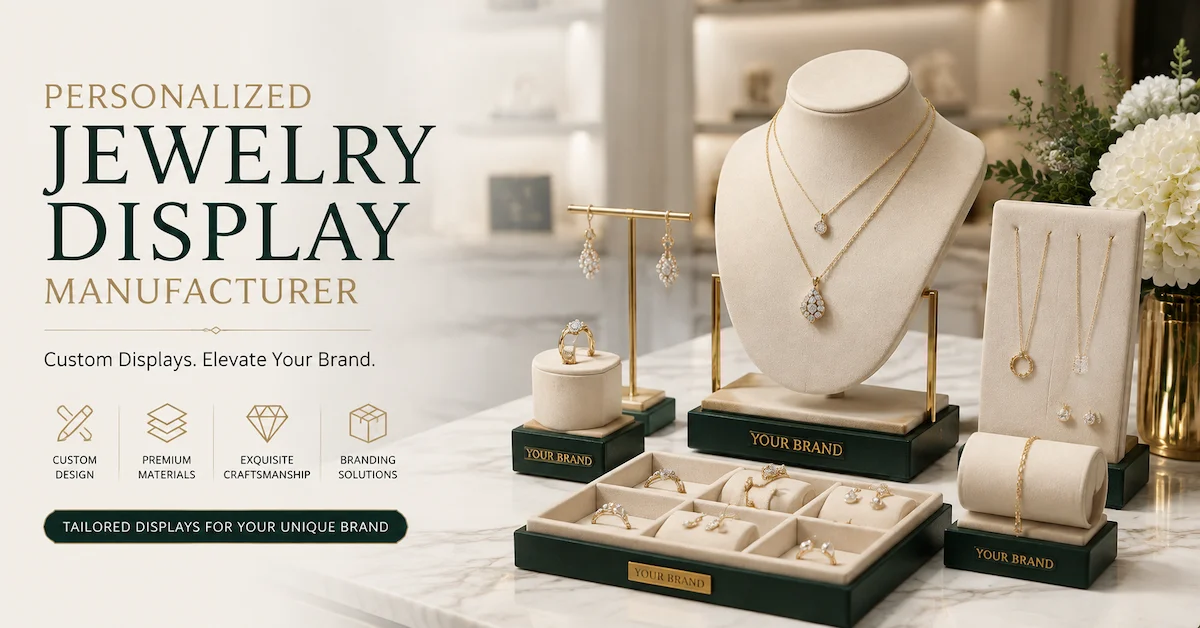
Brands can use jewelry boxes together with display trays and stands to present collections professionally during buyer meetings.
Selection Advice for Buyers
Before choosing a jewelry box manufacturer, buyers should evaluate the supplier from product, quality and cooperation perspectives.
Check Jewelry Packaging Experience
A supplier should understand different box structures for rings, necklaces, earrings, bracelets and jewelry sets. Each product type needs a different insert design.
Review Material Options
Ask whether the supplier can provide velvet, PU leather, microfiber, suede, paperboard, wood or eco-friendly materials. Material choice affects both cost and brand positioning.
Confirm Logo Techniques
Different materials require different logo processes. Hot stamping may work well for velvet or leather-like surfaces, while metal logo plates may suit luxury boxes.
Ask for a Sample
A sample helps confirm box size, insert fit, opening feel, color, logo position and surface finish before bulk production.
Check Bulk Consistency
The approved sample should be the production standard. Buyers should ask how the supplier controls color, glue, edge wrapping, lining and logo position.
Consider Full Packaging Needs
If your brand needs boxes, pouches, display trays and gift packaging, choose a supplier that can coordinate multiple product types. This reduces communication cost and improves brand consistency.
Review Export Packing
Jewelry boxes can be damaged by pressure, moisture or friction during shipping. Proper carton packing and surface protection should be confirmed before shipment.
FAQ
What does a jewelry box manufacturer produce?
A jewelry box manufacturer produces ring boxes, necklace boxes, bracelet boxes, earring boxes, jewelry set boxes, luxury gift boxes and custom branded jewelry packaging.
Can jewelry boxes be customized with a logo?
Yes. Logo customization can include hot stamping, embossing, debossing, screen printing or metal logo plates, depending on the material and design.
What materials are commonly used for jewelry boxes?
Common materials include velvet, PU leather, microfiber, suede, rigid paperboard, wood, MDF and fabric lining materials.
What is the best box for luxury jewelry?
Luxury jewelry usually needs a rigid structure, soft inner lining, accurate insert fitting, premium surface material and refined logo finishing.
Why is sample confirmation important?
Sample confirmation helps buyers check material, color, size, insert fit, logo position and overall box quality before mass production.
Can BRT Pak provide matching pouches and display trays?
Yes. BRT Pak supports jewelry boxes, pouches, display trays, gift boxes and related retail packaging solutions for complete brand presentation.
What information should buyers provide for quotation?
Buyers should provide jewelry type, box size, quantity, material preference, logo artwork, packaging style, target market and expected delivery schedule.
Are custom jewelry boxes suitable for e-commerce brands?
Yes. Custom boxes can protect products during shipping and improve customer unboxing experience, which is important for online jewelry brands.
Conclusion
Choosing a jewelry box manufacturer is not only about ordering packaging. It is about finding a supplier that understands product protection, premium presentation, brand consistency and bulk production control.
For jewelry retailers, online brands, private label sellers and gift packaging buyers, the right box can make jewelry feel more valuable and reduce sourcing risks. BRT Pak helps buyers develop custom jewelry boxes, pouches, trays and packaging systems from concept to sample confirmation and production. To start a project, visit the Jewelry Boxes category or contact BRT Pak through the Contact Us page.