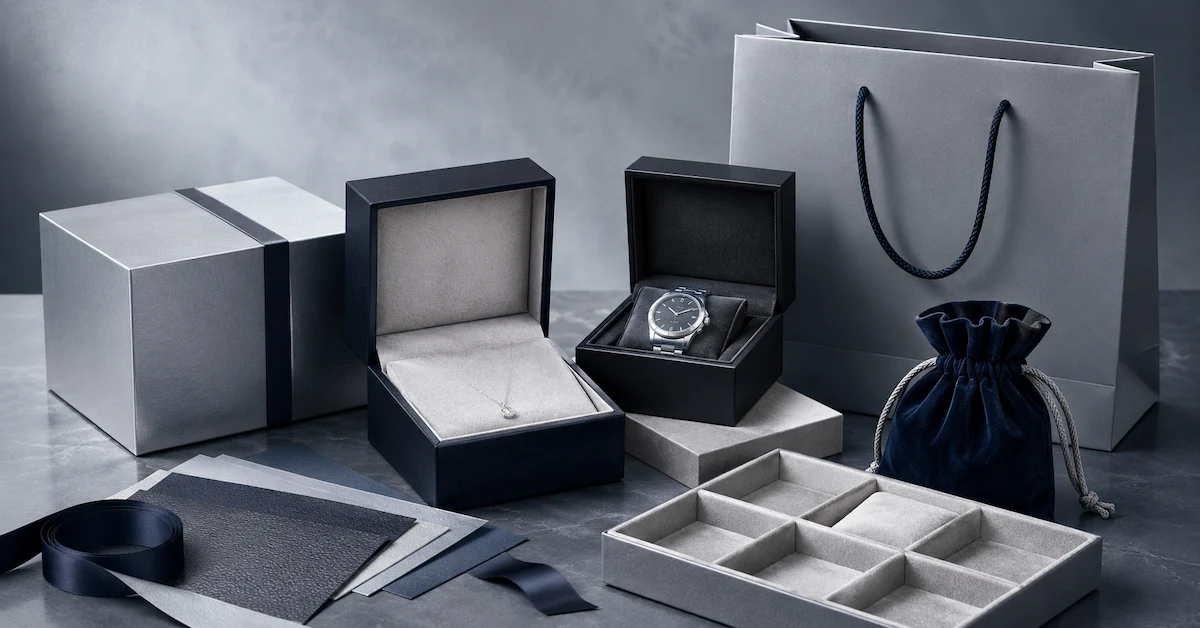

Why Jewelry Brands Need Prototype Development Before Production
Working with a professional prototype jewelry box factory helps brands transform packaging concepts into real samples before committing to bulk manufacturing.
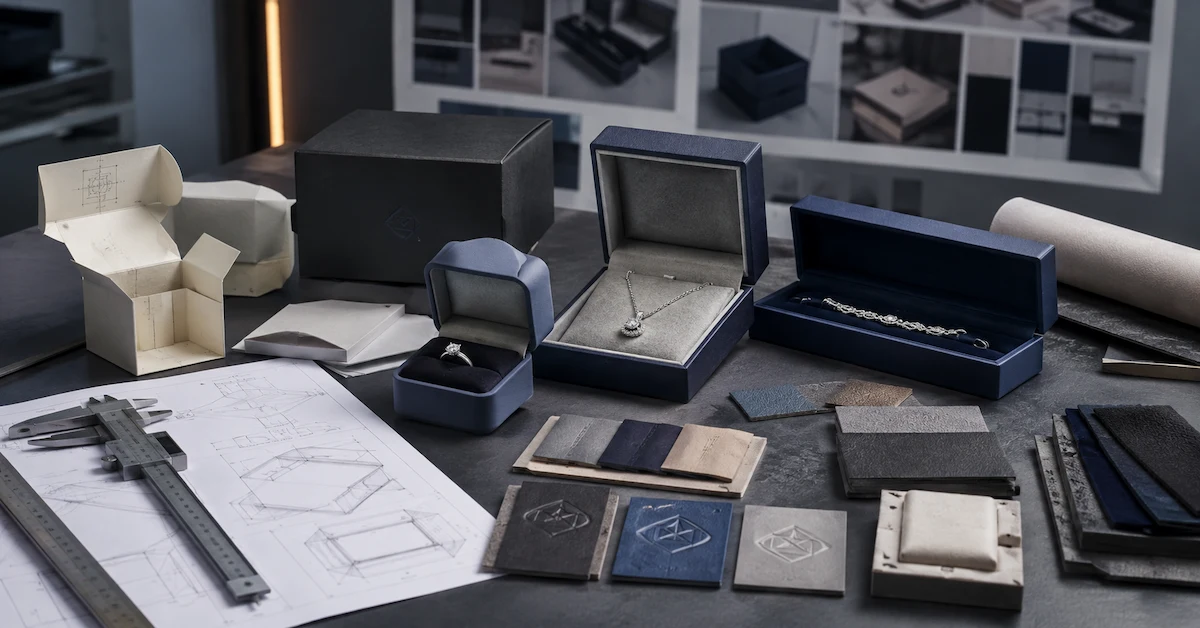
For jewelry brands, packaging design involves many details that cannot be fully evaluated through drawings or digital images. The actual material texture, box structure, logo effect, insert fitting and opening experience can only be confirmed through a physical prototype.
A prototype allows brands to identify potential problems early:
- Incorrect box dimensions
- Poor jewelry fitting
- Unsuitable materials
- Weak structural design
- Unsatisfactory logo effects
- Manufacturing difficulties
Without prototype testing, brands may face expensive modifications after mass production begins.
BRT Pak supports custom jewelry packaging development, including jewelry boxes, displays, pouches and gift packaging solutions. Buyers can explore related products through the Jewelry Boxes category.
Common Problems Without Jewelry Box Prototypes
Many packaging problems happen because brands skip the prototype stage.
Design Does Not Match Reality
A digital design may look perfect, but the actual product can have differences.
Common issues include:
- Box proportions look different
- Lid opening angle is incorrect
- Interior space does not fit jewelry
- Material appearance differs from expectations
A prototype helps brands evaluate the real packaging experience.
Wrong Material Selection
Different materials create different visual and tactile effects.
For example:
- Velvet creates a luxury feeling
- PU leather provides a modern appearance
- Paperboard offers flexible customization
- Wood creates a premium positioning
Testing materials before production helps brands choose the right solution.
Poor Product Fit
Jewelry products require accurate internal structures.
Examples:
- Ring slots need correct size
- Necklace holders need suitable placement
- Bracelet cushions need proper support
- Earring inserts need accurate positioning
A prototype confirms whether the jewelry fits securely.
Production Risks
Some designs may be difficult to manufacture consistently.
Prototype development helps identify:
- Complex structures
- Material limitations
- Assembly problems
- Cost optimization opportunities
How Prototype Jewelry Box Development Works
A professional prototype jewelry box factory follows a structured development process.
Step 1: Project Requirement Analysis
The manufacturer first understands the packaging requirements.
Important information includes:
- Jewelry type
- Product dimensions
- Brand style
- Target customers
- Packaging purpose
- Quantity expectation
- Material preference
A luxury jewelry brand and a fashion jewelry brand may require completely different prototype directions.
Step 2: Structure Design Development
The structure determines how the box functions.
Common prototype structures include:
Ring Box Prototype
Designed with:
- Ring slots
- Cushion inserts
- Secure positioning
Necklace Box Prototype
Designed with:
- Necklace hooks
- Vertical panels
- Protective lining
Bracelet Box Prototype
Designed with:
- Bracelet cushions
- Stable placement
Jewelry Set Box Prototype
Designed with:
- Multiple compartments
- Organized product presentation
The structure should balance appearance, protection and usability.
Step 3: Material Testing
Prototype development allows brands to compare different materials.
Velvet
Advantages:
- Soft surface
- Luxury appearance
- Suitable for premium jewelry
PU Leather
Advantages:
- Modern style
- Multiple colors
- Easy maintenance
Microfiber and Suede
Advantages:
- Smooth texture
- Jewelry-friendly surface
- Premium touch
Rigid Paperboard
Advantages:
- Strong structure
- Flexible customization
- Suitable for retail packaging
Wood and MDF
Advantages:
- Durable structure
- High-end appearance
Step 4: Logo and Finishing Testing
Branding details are important in jewelry packaging.
Prototype testing can verify:
- Embossed logos
- Debossed logos
- Hot stamping
- Metal logo plates
- Printing effects
This ensures the final packaging matches the brand image.
Step 5: Prototype Approval
Before production, brands review:
- Design accuracy
- Material quality
- Color
- Logo placement
- Product fitting
- Opening experience
Once approved, the prototype becomes the production reference.
Prototype Jewelry Box vs. Standard Sample Box
| Item | Standard Sample Box | Prototype Jewelry Box |
|---|---|---|
| Purpose | Basic product reference | Final production verification |
| Design | Existing structure | Custom development |
| Material | Limited options | Brand-specific materials |
| Product Fit | General | Designed for actual jewelry |
| Logo Testing | Limited | Full branding verification |
| Best For | Simple packaging | OEM and private label projects |
For brands investing in custom packaging, prototype development reduces production risks and improves final quality.
BRT Pak’s Prototype Jewelry Box Development Solution
BRT Pak helps jewelry brands develop packaging prototypes before mass production.
The process includes:
Design Consultation
Understanding:
- Brand requirements
- Product details
- Packaging goals
Structure Development
Creating packaging based on:
- Jewelry size
- Display requirements
- Customer experience
Material Selection
Supporting:
- Velvet
- PU leather
- Microfiber
- Suede
- Paperboard
- Wood and MDF
Sample Production
Creating physical prototypes for:
- Appearance checking
- Product testing
- Brand approval
Production Preparation
After approval, specifications are transferred into mass production standards.
BRT Pak can also coordinate prototypes with:
to create complete packaging systems.
Advantages of Working With a Prototype Jewelry Box Factory
Reduce Production Risk
Prototype testing helps identify problems before large investment.
Improve Packaging Quality
Brands can adjust:
- Structure
- Materials
- Finishing
- Product fitting
before production.
Create Unique Packaging Designs
Prototype development allows brands to create packaging different from competitors.
Improve Customer Experience
A well-developed box creates:
- Better opening experience
- Stronger brand impression
- Premium presentation
Support OEM and Private Label Projects
Prototype services are especially valuable for brands developing exclusive packaging.
Ensure Manufacturing Feasibility
The prototype stage helps confirm that the design can be produced consistently.
Common Applications
Jewelry Brands
Brands use prototypes to develop:
- Ring boxes
- Necklace boxes
- Bracelet boxes
- Jewelry set packaging
Private Label Jewelry Companies
Private label brands use prototypes to test unique packaging concepts before launch.
Luxury Jewelry Collections
Premium collections require detailed material and finishing verification.
E-commerce Jewelry Brands
Online brands use prototypes to improve packaging quality and customer unboxing experience.
Gift Packaging Projects
Gift companies use prototypes to confirm seasonal and premium packaging designs.
Trade Show Samples
Brands use prototype boxes to prepare product presentations and buyer meetings.
How to Choose a Prototype Jewelry Box Factory?
Before selecting a supplier, buyers should evaluate:
Prototype Experience
Choose suppliers familiar with custom jewelry packaging development.
Design Support Capability
Confirm whether the supplier can provide:
- Structure suggestions
- Material recommendations
- Design improvements
Manufacturing Ability
A prototype supplier should also support reliable bulk production.
Material Options
Check whether the supplier offers suitable materials for your brand positioning.
Quality Control
Ask about:
- Sample review
- Material checking
- Production inspection
Complete Packaging Capability
Suppliers offering boxes, bags and displays provide better long-term support.
FAQ
What is a prototype jewelry box factory?
A prototype jewelry box factory develops custom packaging samples that allow brands to test design, materials and structure before mass production.
Why is a jewelry box prototype important?
A prototype helps brands verify appearance, product fitting, material quality and manufacturing feasibility before large orders.
Can prototypes include custom logos?
Yes. Prototype samples can test embossing, debossing, hot stamping, printing and other branding methods.
How long does jewelry box prototype development take?
The timeline depends on design complexity, materials, structure and sample requirements.
Can prototypes be modified after testing?
Yes. Brands can adjust materials, structures, colors and details based on prototype feedback.
Can a prototype factory provide bulk production?
Professional prototype factories usually support both sample development and mass production.
What information should buyers provide?
Buyers should provide product size, packaging ideas, logo files, material preference, quantity and target market.
Can BRT Pak develop prototypes for jewelry packaging?
Yes. BRT Pak supports custom jewelry box prototypes, packaging development and complete retail packaging solutions.
Conclusion
Choosing the right prototype jewelry box factory helps brands create better packaging before entering mass production.
A well-developed prototype reduces risks, improves design accuracy and ensures the final jewelry box matches brand expectations.
For jewelry brands, private label companies and retailers, prototype development is an important step toward successful custom packaging. BRT Pak supports jewelry box design, prototype development and production solutions from concept to delivery.
Explore the Jewelry Boxes category or contact BRT Pak to develop your custom jewelry packaging project.