
The First Touch Matters
Before a necklace is lifted. Before a ring catches the light. There is contact — fingertips brushing against fabric.
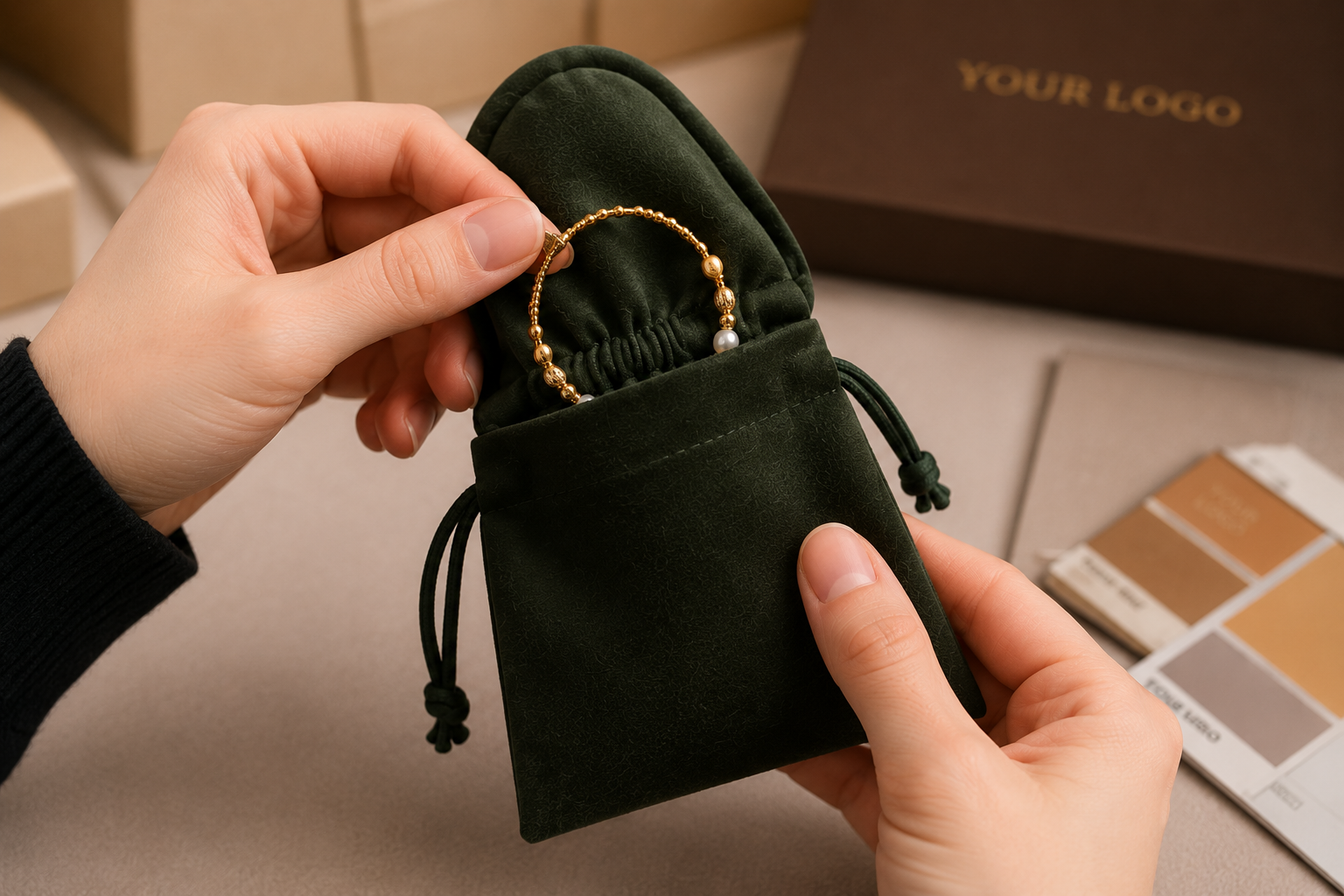
Velvet changes perception immediately. It absorbs glare. It softens edges. It signals intimacy.
Luxury retail research from The Business of Fashion indicates that tactile experience influences purchasing confidence in high-value goods. Jewelry is particularly sensitive. A cold plastic surface creates distance. A velvet surface invites.
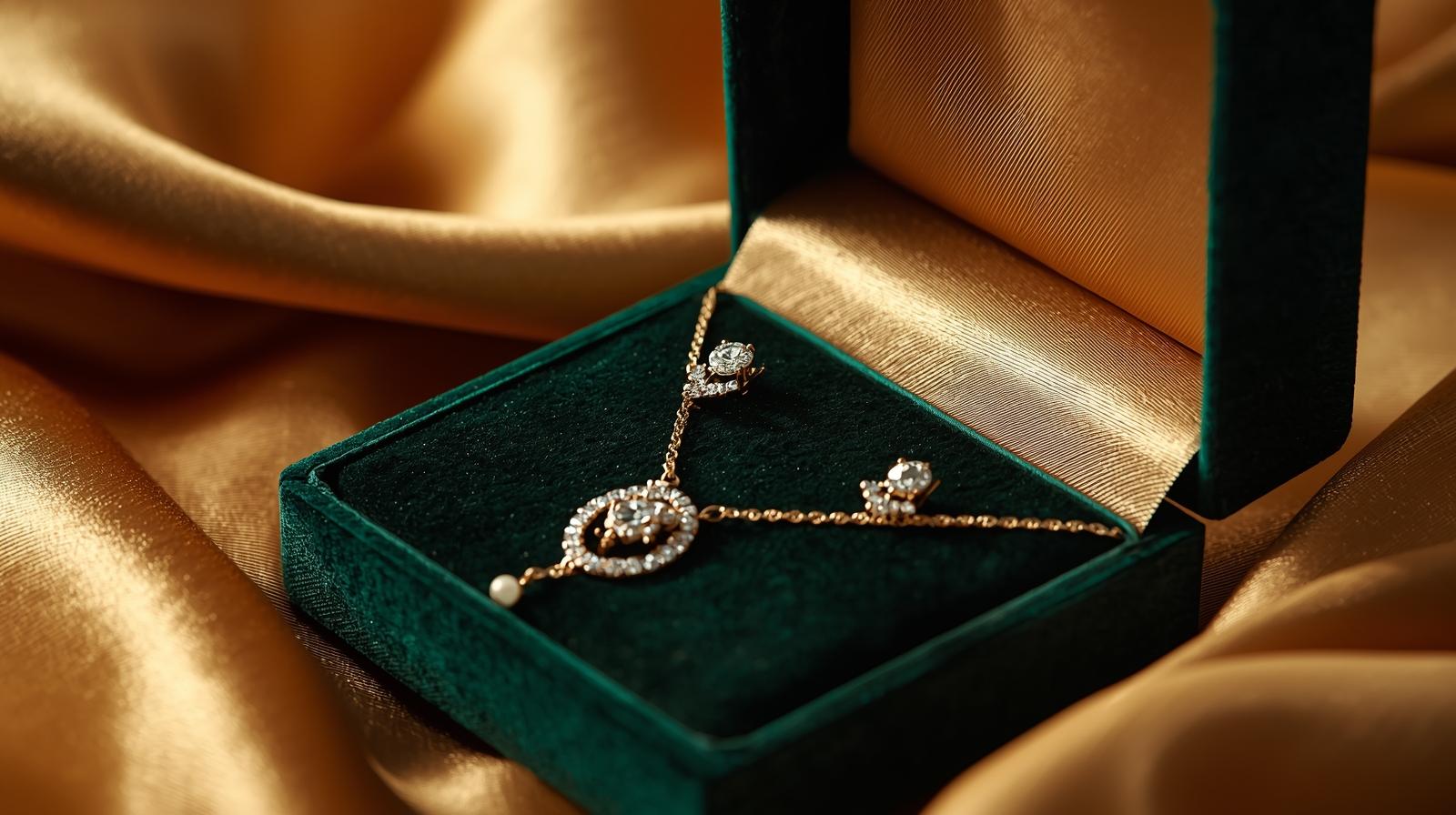
A well-constructed velvet jewelry box does not simply hold jewelry. It frames the emotional moment of opening.
Fabric Selection Is Not Only About Appearance
Velvet is not a single material. It varies in pile density, fiber blend, abrasion resistance, and light absorption.
Low-grade velvet flattens after repeated contact. Fibers shed. Surface sheen becomes uneven.
At BETTER INDUSTRIAL, textile selection includes:
- Microfiber velvet for smooth pile consistency
- Cotton-blend velvet for richer matte finish
- Short-pile synthetic velvet for enhanced durability
Abrasion performance can be evaluated through Martindale testing standards commonly referenced in textile durability analysis. Surface friction simulation ensures the velvet jewelry box maintains its texture after months of handling.
Additionally, textile options may comply with OEKO-TEX Standard 100 certification, ensuring chemical safety in fabrics that remain in direct contact with skin and precious metals (see OEKO-TEX).
Texture must feel refined. It must also endure.
Beneath the Soft Surface
Velvet alone does not create structure. Beneath it lies the frame.
A fragile core weakens over time. Compression from stacking during shipping can distort corners. Lid alignment shifts.
For that reason, a high-quality velvet jewelry box relies on reinforced board or MDF cores ranging from 3–8 mm depending on format. Corner joints are secured with pressure adhesives and mechanical reinforcement before fabric wrapping begins.
Tension wrapping is critical. Too loose, and fabric wrinkles appear. Too tight, and corner pull lines become visible.
Inside BETTER INDUSTRIAL, fabric is stretched and pressed with calibrated tension to maintain smooth surface geometry. Edges remain crisp. No bubbling. No sagging.
Standard Box vs Velvet Jewelry Box
| Feature | Paper Wrapped Box | Velvet Jewelry Box |
|---|---|---|
| Surface Feel | Smooth / rigid | Soft, tactile |
| Light Reflection | High glare | Matte absorption |
| Abrasion Resistance | Moderate | High (with quality velvet) |
| Perceived Luxury | Moderate | Elevated |
| Retail Impact | Neutral | Strong sensory engagement |
Packaging Digest reports that textured packaging surfaces increase consumer dwell time in retail environments compared to flat glossy finishes (see Packaging Digest).
Texture subtly slows interaction. Slower interaction often increases purchase intent.
Real Retail Scenario
Consider a mid-range jewelry brand launching a limited holiday collection. Their existing packaging uses matte paper wrap.
The pieces are attractive — but presentation lacks warmth.
After switching to a compact velvet jewelry box with embossed logo detailing, store managers report noticeable change. Customers linger slightly longer at the counter. Sales associates comment on the “gift-ready” perception.
The jewelry did not change. The feeling did.
Texture alters context.
Safety, Compliance & Export Durability
Velvet packaging must travel as safely as it presents.
For export shipments, rigid box formats are often evaluated through ISTA drop testing simulations. Reinforced corner structures reduce edge deformation under impact.
Adhesives used in fabric lamination may comply with EU REACH chemical regulations. Textile safety certifications help ensure fabric compatibility with sensitive metals and skin contact.
Humidity response is another consideration. Velvet absorbs moisture differently than paper wrap. Controlled drying procedures during manufacturing prevent post-production warping.
At BETTER INDUSTRIAL, each batch of velvet packaging is inspected for surface uniformity, corner integrity, and structural stability before shipment.
Choosing the Right Velvet Jewelry Box Configuration
Selection depends on brand positioning and jewelry type.
Engagement Rings
Compact square boxes with dense velvet lining and stable hinge lid.
Necklace Sets
Larger rectangular formats with molded insert cavities.
Travel Packaging
Soft velvet exterior combined with zipper or magnetic compact closure.
Premium Gift Collections
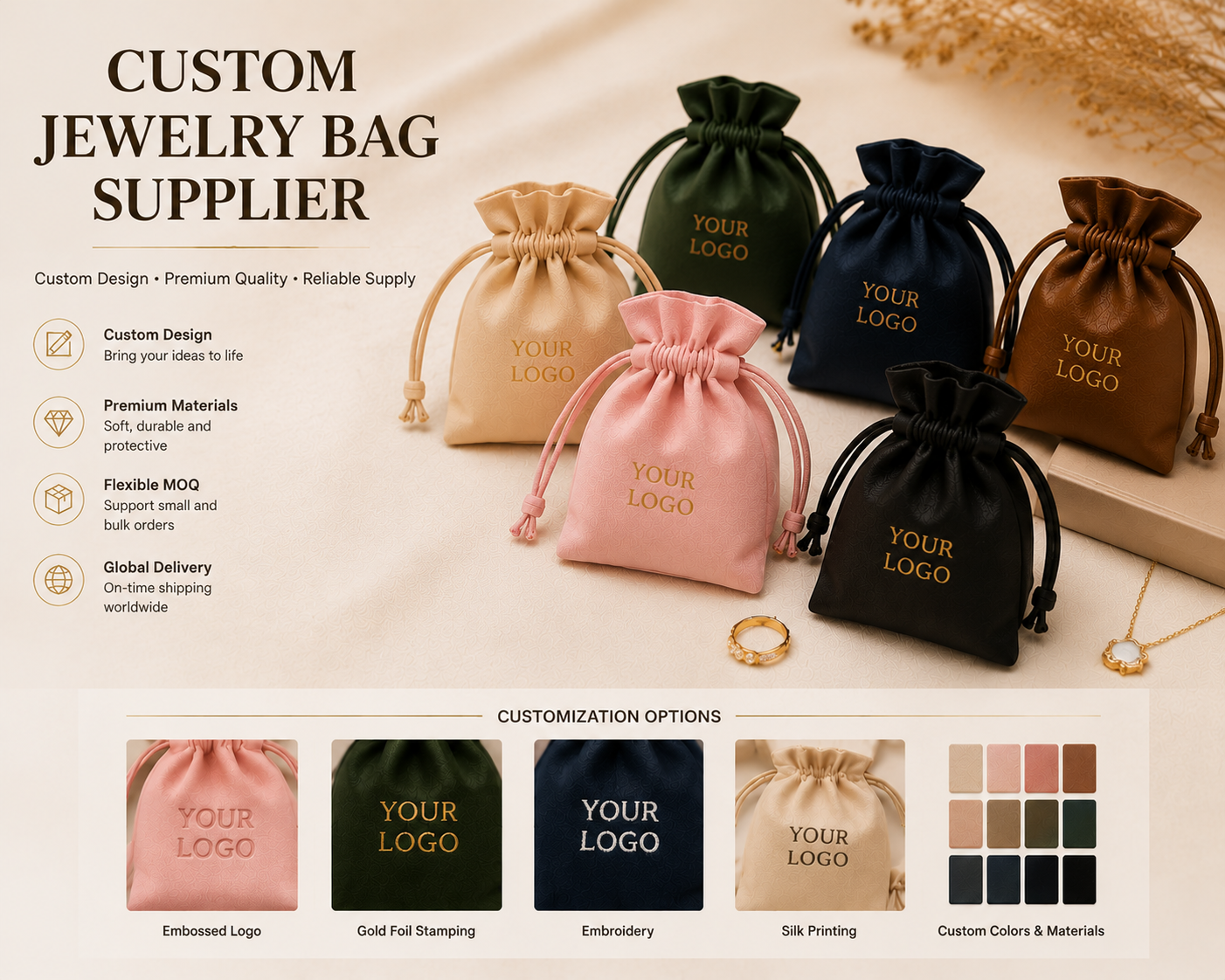
Deep-tone velvet with metallic foil logo accents.
Choosing the right fabric density and core thickness ensures both tactile appeal and structural resilience.
A skilled velvet jewelry box manufacturer evaluates environment, usage frequency, and retail positioning before recommending format.
Frequently Asked Questions
Q1: What is the MOQ for velvet jewelry boxes?
Typically 500–1000 units depending on customization.
Q2: Does velvet wear out quickly?
High-density microfiber velvet demonstrates strong abrasion resistance under proper wrapping tension.
Q3: Can custom colors be produced?
Yes, dye customization is available based on Pantone references.
Q4: Is logo embossing compatible with velvet surfaces?
Yes, using foil stamping or metal plate attachment.
Soft Exterior, Structured Reliability
A refined velvet jewelry box merges tactile warmth with structural stability. It protects delicate pieces while enhancing perceived value at first touch.
Through calibrated textile selection, reinforced cores, and scalable OEM production, BETTER INDUSTRIAL manufactures velvet jewelry packaging solutions for global brands and retailers.
Explore our full packaging range on our homepage or contact our team directly via our contact page to discuss custom velvet jewelry box manufacturing.